
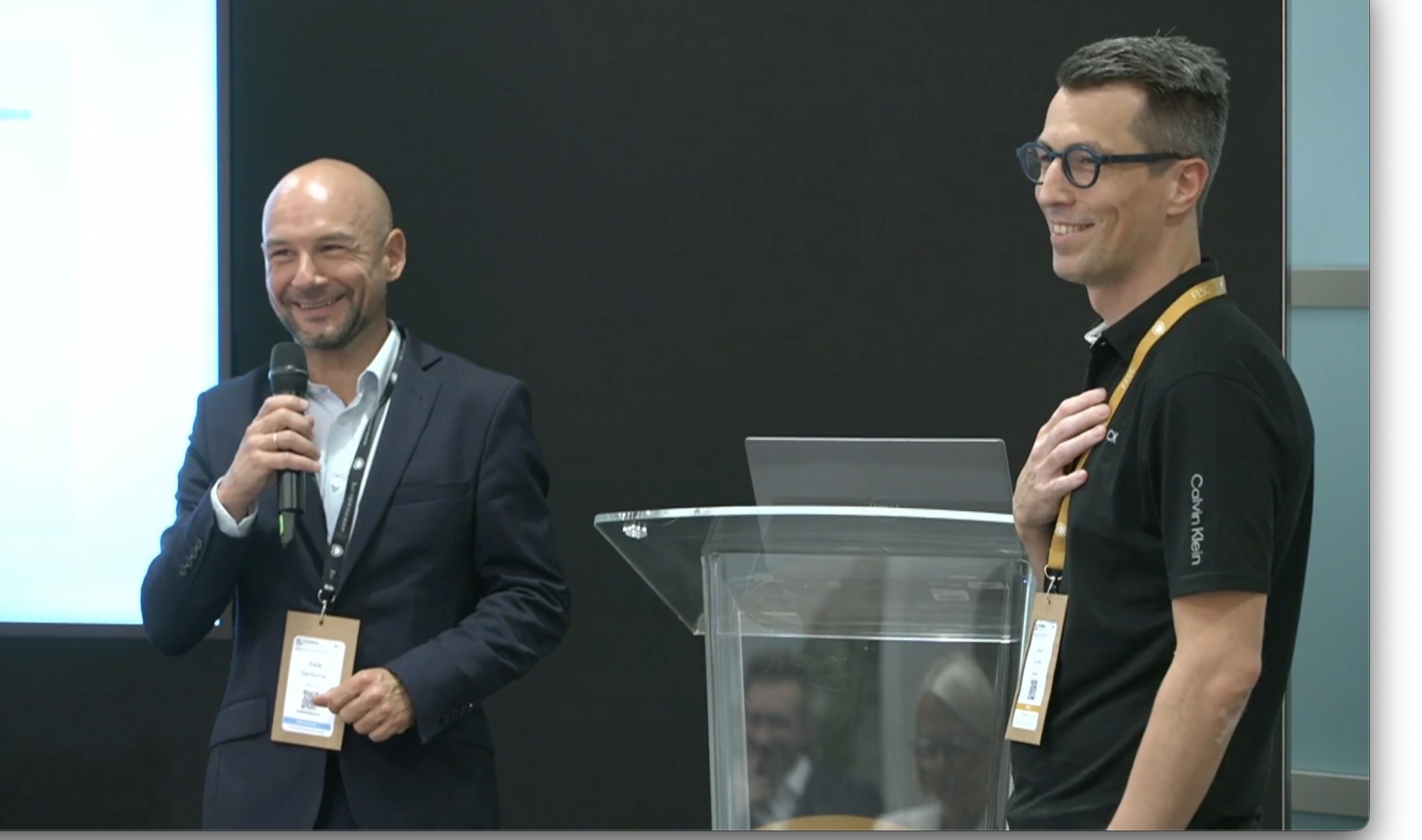
We were invited to deliver a keynote on strategic trends in AI at ESC Congress 2026 in Munich. Together with Prof. David Duncker (Hannover Heart Rhythm Center), we used the session to unpack the diagnostic gap in arrhythmia care. Three converging trends are driving it: an aging population, persistent underdiagnosis, and a shrinking clinical workforce. What’s changed is that AI-assisted ECG analysis is no longer a future fix for any of them. It’s already closing the gap in clinics today.
Trend 1: An aging Europe is outpacing its own healthy years
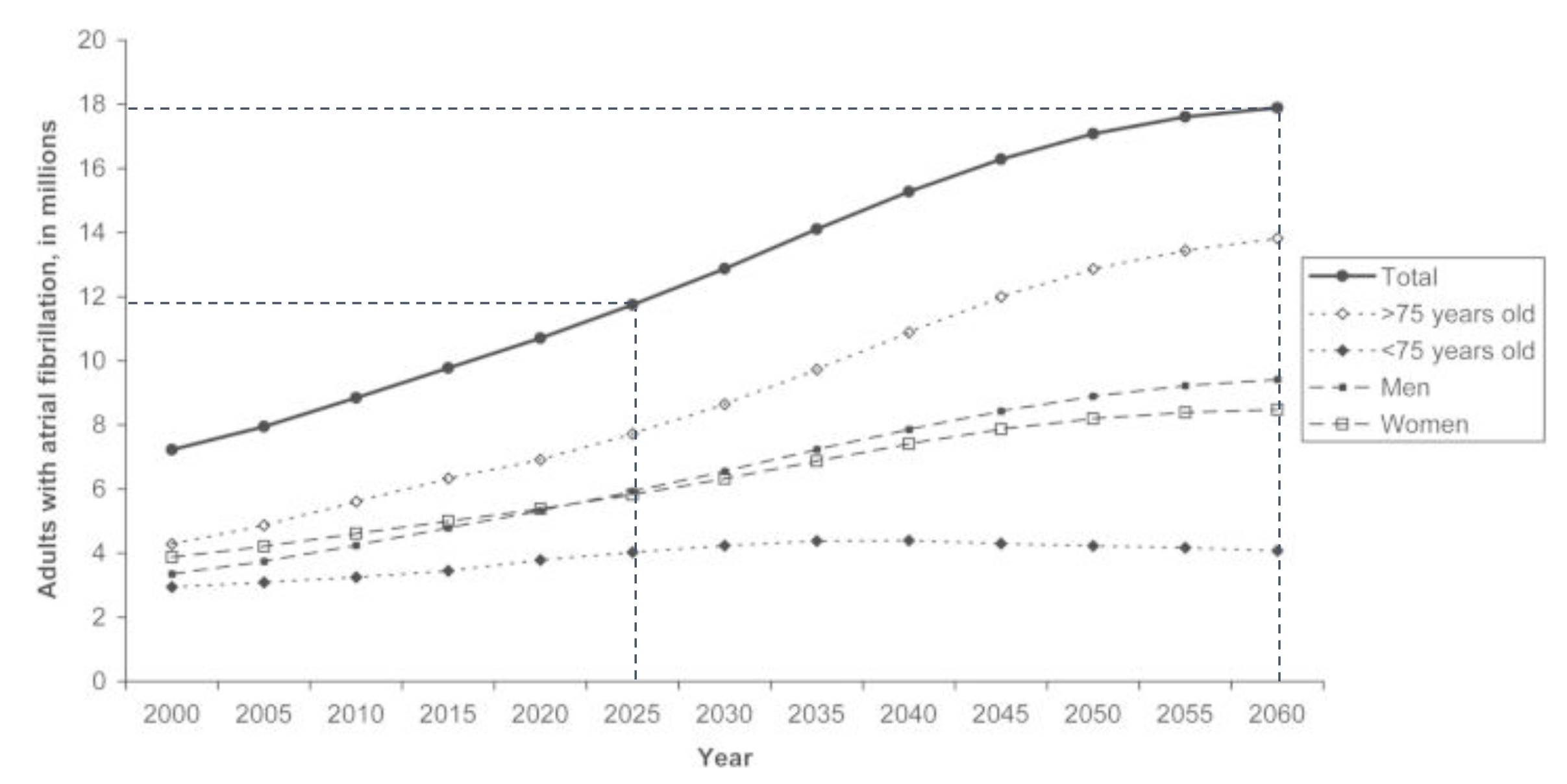
Life expectancy in Europe keeps rising, but healthy life years aren’t keeping pace. Eurostat data shows a 16–21 year gap between total lifespan and years lived without activity limitation. Those are the same years in which chronic conditions, including atrial fibrillation (AF), are most likely to go undetected. The scale of the problem is growing with the population: AF prevalence in the EU is projected to increase by 50% by 2060, driven almost entirely by demographic aging.
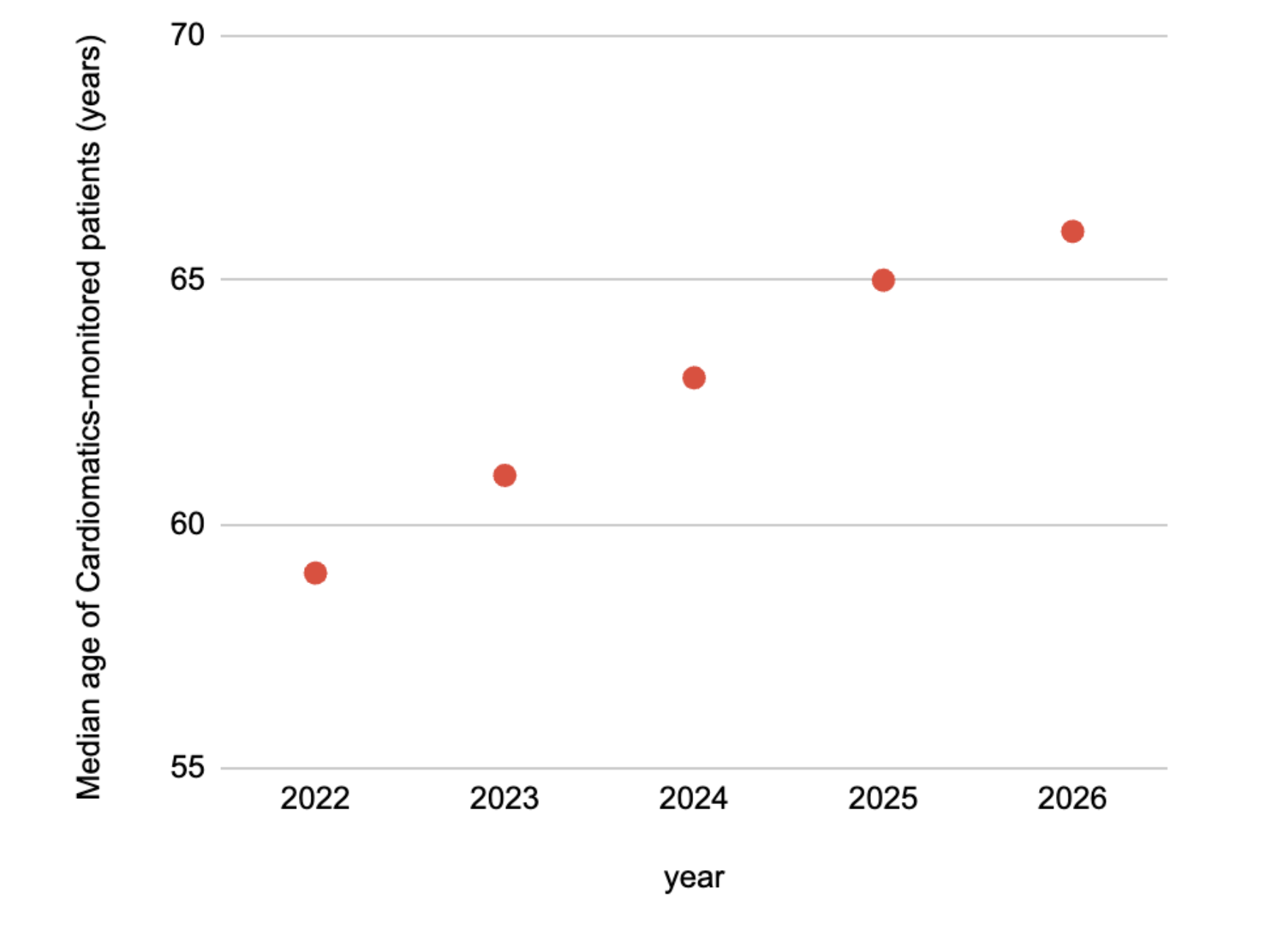
Cardiomatics’ own platform data shows this playing out in real time. The median age of monitored patients has risen from 59 to 64 since 2022 (n = 114,852 patients across 539 facilities).
Trend 2: Even the patients we can find, we often don’t catch in time
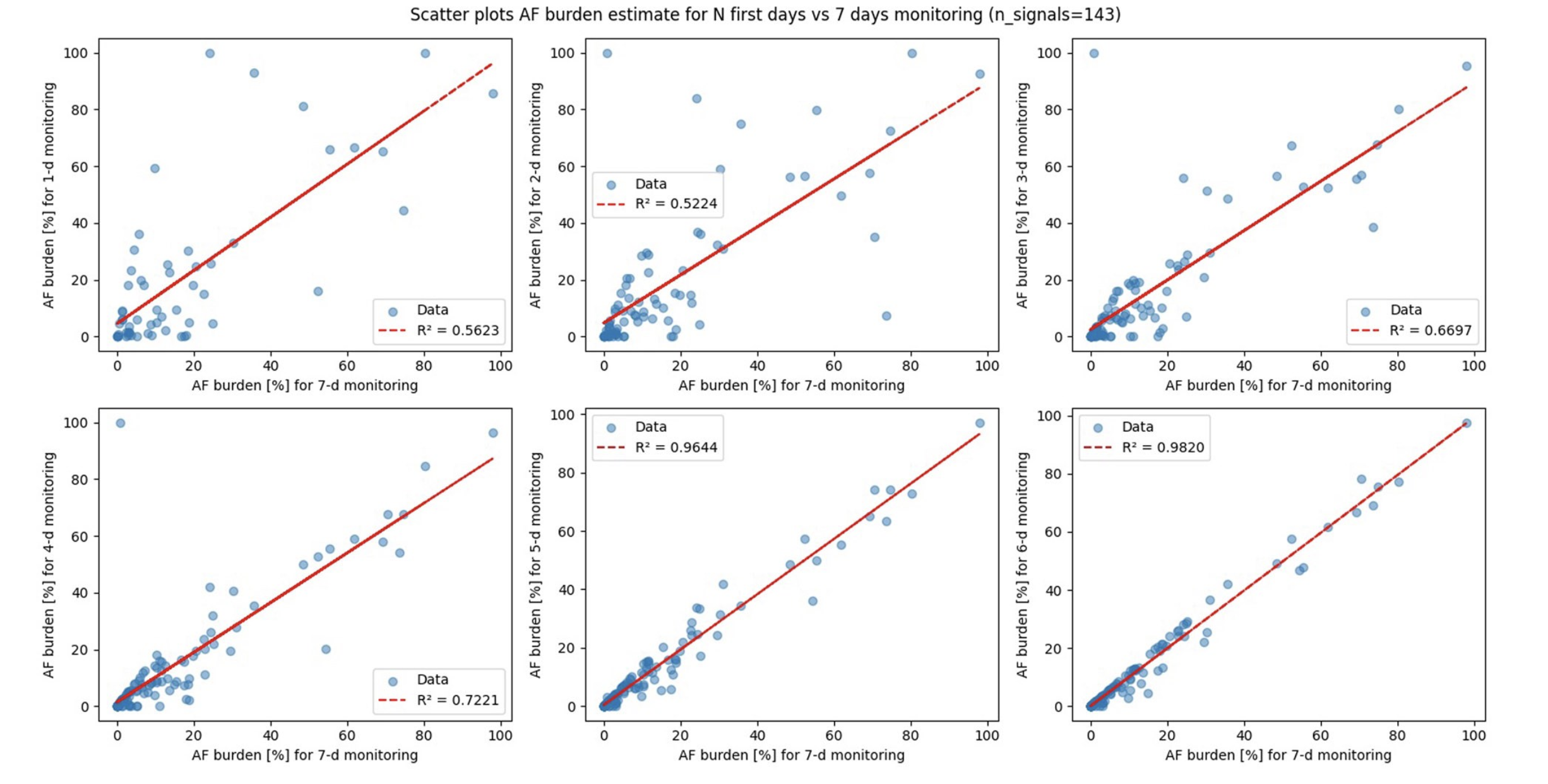
Underdiagnosis isn’t a gap in access. It persists even under continuous monitoring. Studies using insertable cardiac monitors still find substantial undiagnosed AF in high-risk populations, and estimates put undiagnosed cases at 11–23% in the US and over 20% among Europeans over 60. Part of the issue is technical: detection climbs with monitoring duration, and short recordings (24 to 48 hours) consistently struggle to capture AF burden reliably.
Reimbursement compounds the problem: standard Holter monitoring is covered everywhere in Europe, but longer-duration monitoring, the kind that actually catches more disease, often isn’t.
Trend 3: The workforce can’t scale with the volume
Even where the will and the technology exist, capacity is the constraint. The US faces a projected shortfall of up to 124,000 physicians by 2034; the EU28 is projected to be short 0.6 million physicians by 2030. The downstream effect shows up in patient experience: a Holter recording takes a day, but results can take three to eight weeks to come back, plus another month for a follow-up appointment. Patients wait months for an answer to a test that took a day to record.
Closing the gap: how AI is already bridging it
None of these trends are new. What’s changed is that a fourth force (a.k.a AI ☺️) is now actively closing the gap they create, not by adding another layer of complexity, but by shifting where the diagnostic value sits.
As ECG hardware commoditizes, the diagnostic intelligence moves to the cloud. That matters more than it sounds: it means a primary care clinic or even a pharmacy (sites that could never staff cardiology expertise) can now deliver a test that used to require a specialist. And because care sites don’t standardize on one device vendor, software that only works with specific hardware can’t reach most of them. Device-agnostic analysis isn’t a nice-to-have; it’s the precondition for actually closing the gap.
This isn’t a future scenario. FDA clearances for AI-enabled cardiology devices nearly doubled after 2020 — 89 devices cleared between 2021 and 2025, up from 48 in the years before.
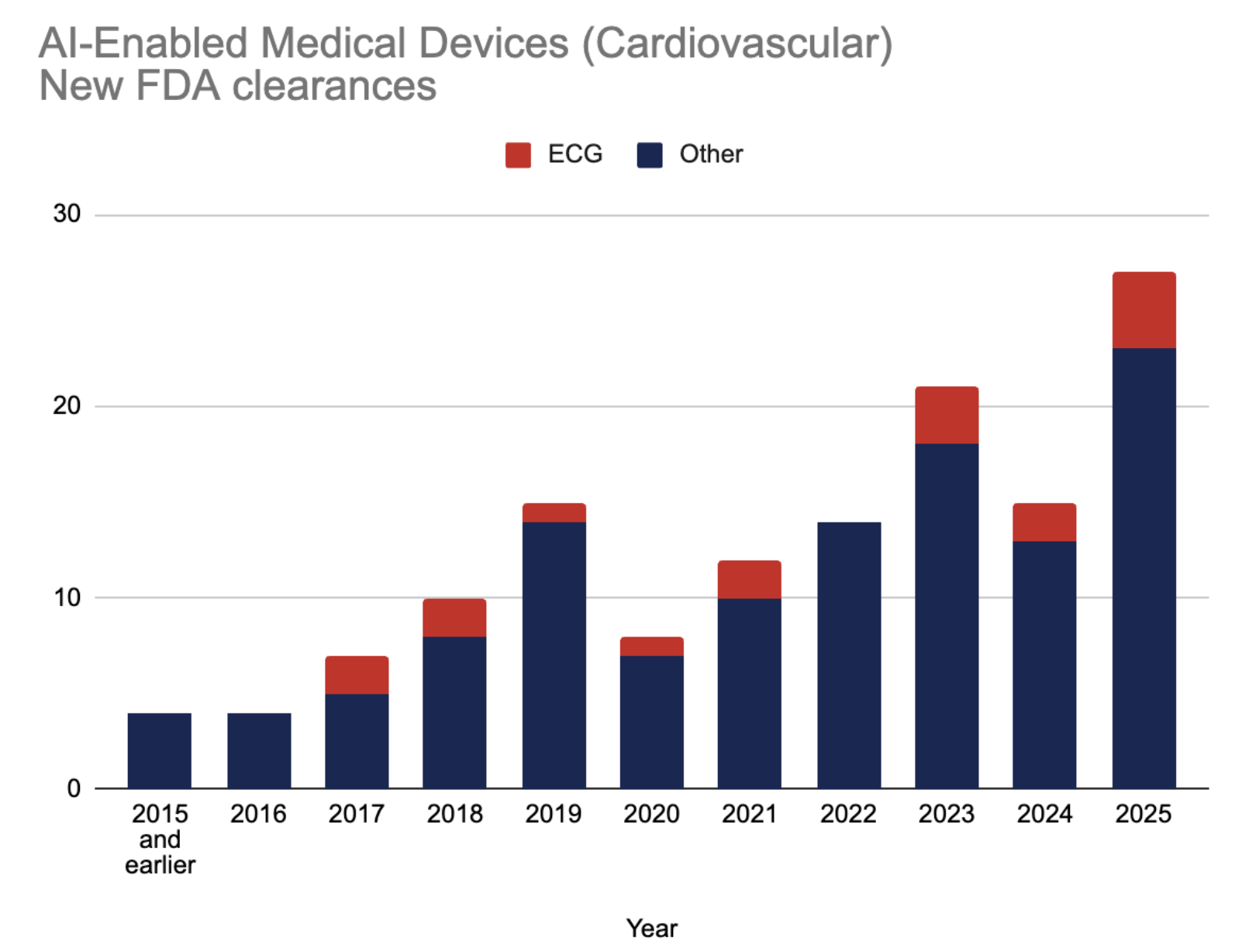
And adoption is no longer early-stage: an estimated 10–15% of long-term ECG recordings across Europe are already analyzed with AI-assisted tools.
The takeaway
Precision without reach doesn’t close the diagnostic gap. And reach without precision just moves the problem faster. The trends driving underdiagnosis in arrhythmia care aren’t going away. What’s changed is that the tools to counter them are no longer hypothetical. They’re already deployed, already measurable, and already reaching patients who, five years ago, would have waited months for an answer.