


Cameras and ECG machines share a similar trajectory of evolution from bulky, complex devices to compact, accessible tools. Just as mobile phones revolutionized photography, handheld ECG devices are becoming more ubiquitous, offering convenience and quality previously unavailable. AI and cloud technologies are poised to streamline data processing and analysis in both fields, bridging the gap between increasing data volume and limited expertise in healthcare.
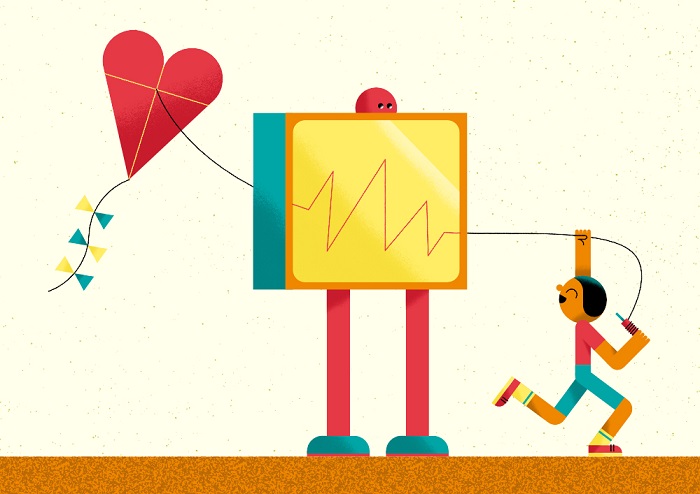
Cardiomatics and the Medical University of Warsaw are collaborating to develop Cardiomatics Junior, an innovative tool for automatic assessment of ECG signals in children. By utilizing AI-based algorithms, this project aims to revolutionize paediatric cardiology diagnostics, potentially reducing analysis time to 5 minutes and improving accessibility to Holter monitor testing for young patients. Supported by the National Centre for Research and Development, this groundbreaking initiative will benefit physicians, Holter monitor manufacturers, and clinical trial implementers, ultimately enhancing diagnosis and treatment of paediatric heart conditions.

Cardiomatics navigates the challenge of evaluating its AI algorithm’s performance against physicians or competitors by encouraging customers to implement and compare results with existing processes. Traditional methods rely on outdated databases and concerns about protecting intellectual property, highlighting the complexity of assessing AI efficacy. Overall, the effectiveness of AI algorithms depends on various factors and contexts, making direct comparisons challenging.