
NextGenMed Hungary Kft. has been Cardiomatics’ exclusive distribution partner in Hungary since 2021, working with cardiology clinics and hospitals across the country. Alongside its diagnostic technology line, NextGenMed supplies wearable ECG recorders — among the smallest, lightest and most comfortable devices available on the market — and, since adding Cardiomatics to its offering, a combined […]
For a medical device distributor, selling a Holter monitor or a patch ECG device is usually where the relationship with a clinic ends. The device is delivered, the invoice is settled, and the next contact happens only when something breaks or when a replacement is due. Everything in between the daily use of the device, […]
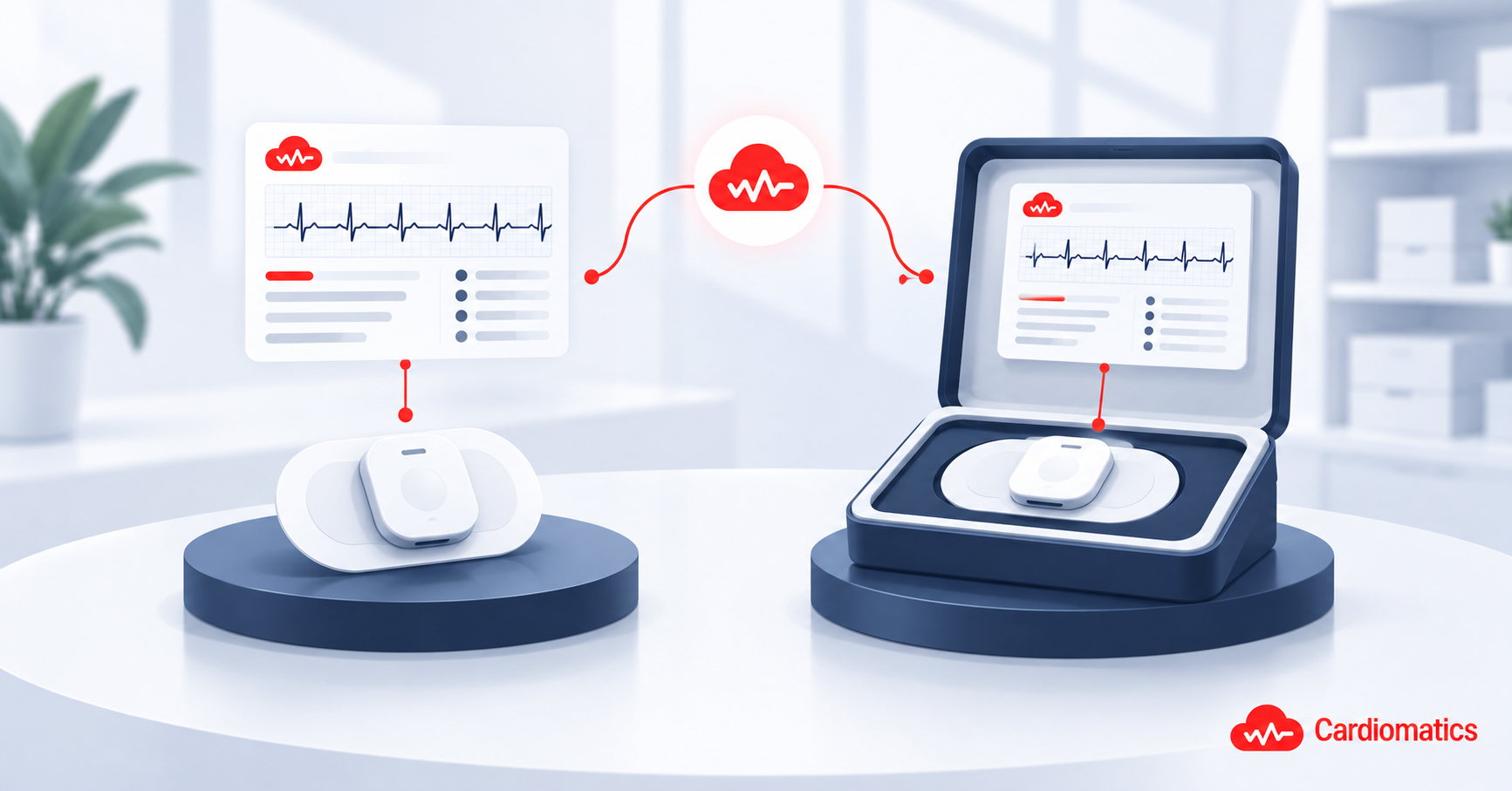
Adding AI-assisted Holter ECG analysis to a distributor’s portfolio is not a single, fixed offer. Cardiomatics works with distributors through cardiology software distribution in two distinct ways, and choosing between them depends on where a distributor’s business stands today, not on which option looks more advanced on paper. Software-only: for distributors who already have a […]
By the time a distributor is ready to move forward with Cardiomatics, the open question is rarely still “does this make sense.” It has usually shifted to something more practical: what actually happens next, and how much of the work will fall on our own team. Deciding to become a Cardiomatics distributor is only the […]
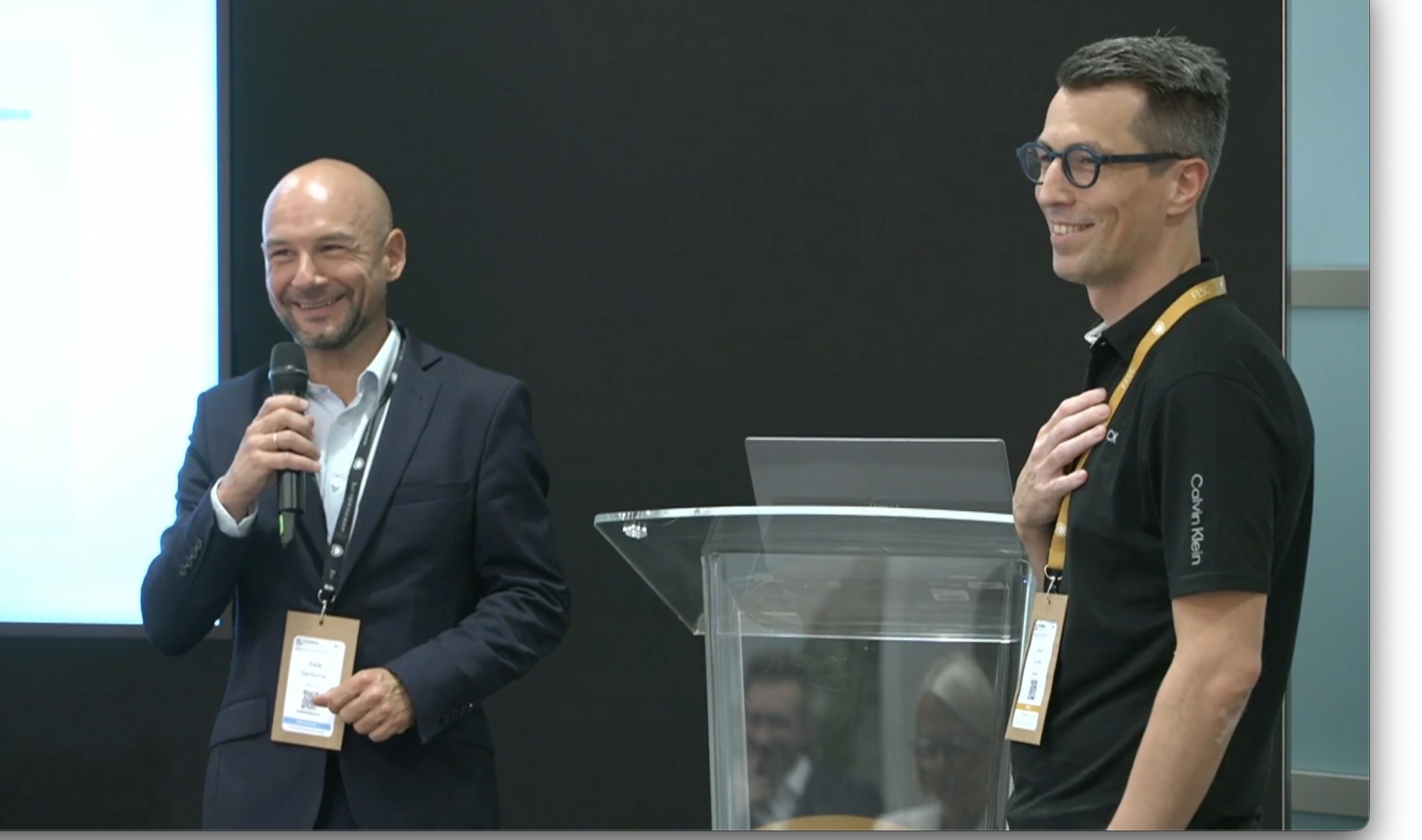
We were invited to deliver a keynote on strategic trends in AI at ESC Congress 2026 in Munich. Together with Prof. David Duncker (Hannover Heart Rhythm Center), we used the session to unpack the diagnostic gap in arrhythmia care. Three converging trends are driving it: an aging population, persistent underdiagnosis, and a shrinking clinical workforce. […]
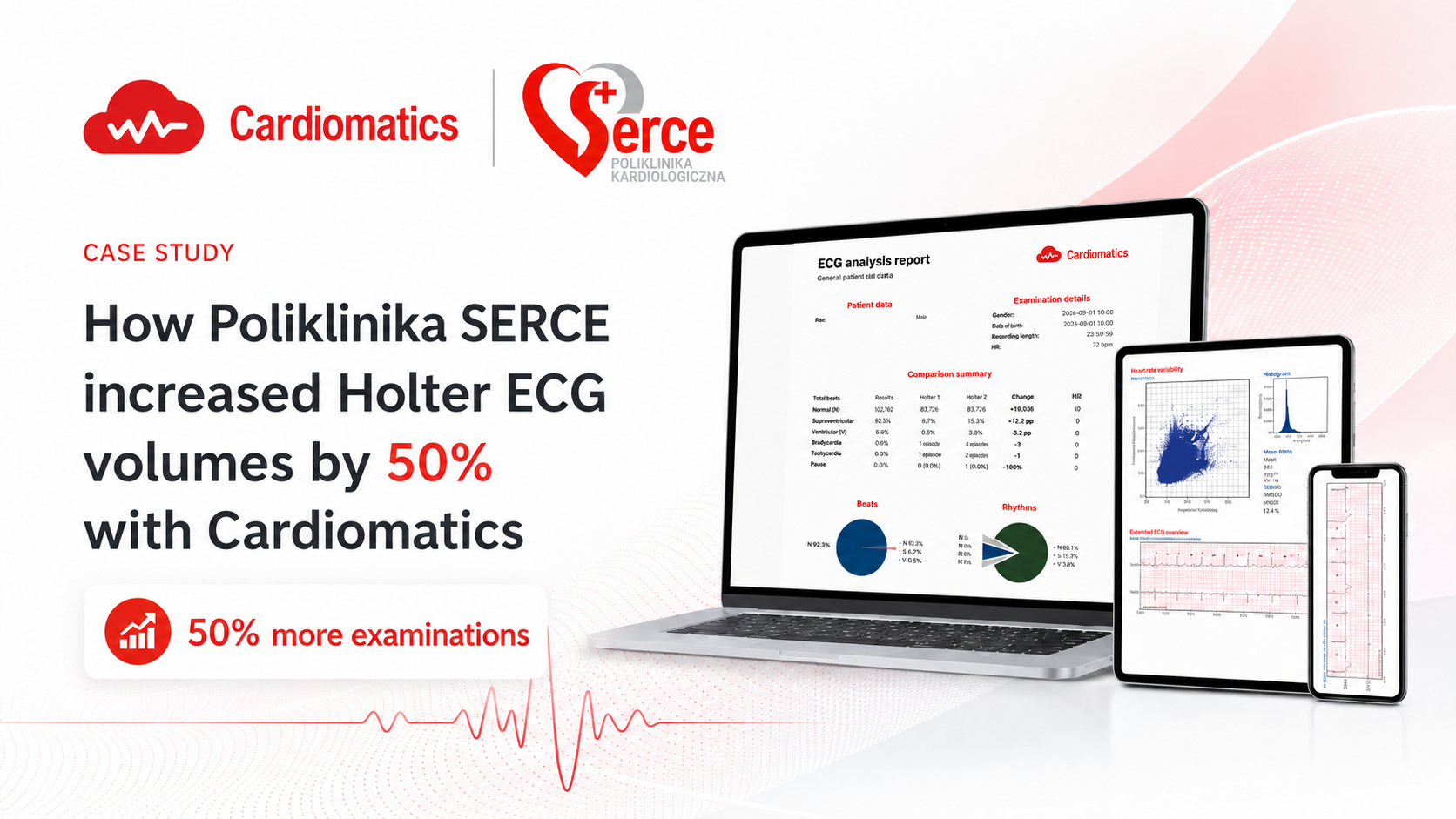
Holter ECG analysis is one of the key elements of cardiac diagnostics, but in the day-to-day work of a medical practice, it can also place a significant time burden on physicians. This is especially true when the number of examinations increases and each recording requires a careful, reliable assessment. Poliklinika SERCE, a specialist outpatient care […]
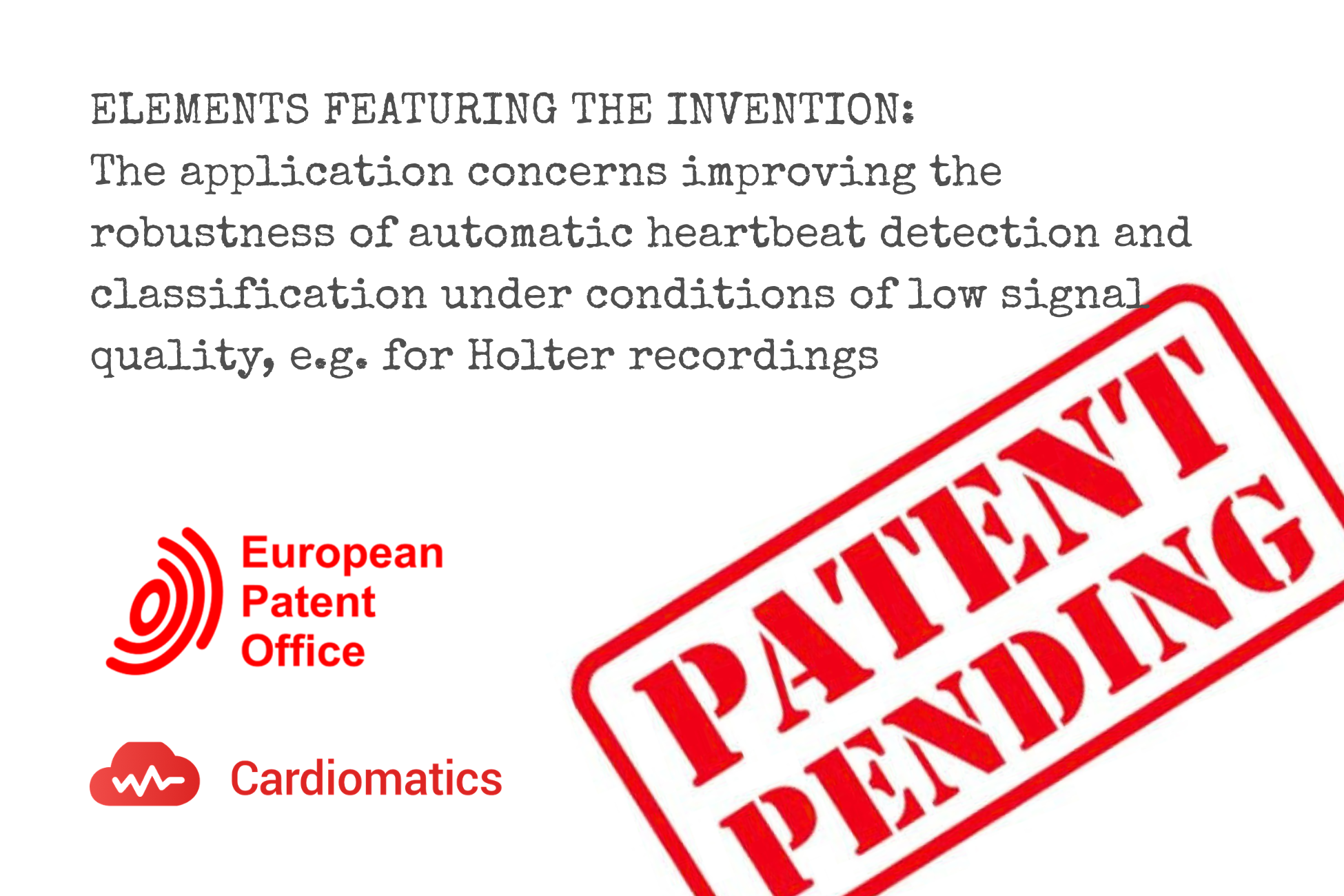
The Challenge of Long-Term Holter Analysis Automatic analysis of long-term Holter recordings has always been challenging. One of the main reasons is variable signal quality—noise and artifacts that remain even after filtering can significantly affect how well algorithms perform. Simply put, the longer the recording, the more opportunities there are for such distortions to appear: […]
Manual review, algorithmic detection, and the importance of validation Previously, we explored What Is Atrial Fibrillation Burden? explaining the concept and its clinical significance. If you haven’t read that piece yet, it’s worth checking out for background. As previously discussed, AF burden quantifies the proportion of time a patient spends in atrial fibrillation and provides […]
Artificial intelligence is rapidly transforming cardiology diagnostics. AI-based analysis of Holter ECG signals enables automated, high-precision detection of conduction disorders, arrhythmias and other cardiac abnormalities, significantly reducing time required for interpretation and supporting clinical decision-making. This raises the question of which AI-powered Holter ECG analysis provider to choose. The decision may be crucial, not only […]

Atrial fibrillation (AF) has long been treated as a binary diagnosis. A patient either has AF or doesn’t. But clinicians increasingly recognize that this all-or-nothing view oversimplifies a complex condition. The amount of AF a person experiences (their AF burden) can make a major difference in risk, symptoms, and management decisions. As the field shifts toward […]
Silent Arrhythmias and Their Hidden Risks Some heart rhythm disorders remain hidden for years, quietly posing life-threatening risks until they cause major health events. Atrial fibrillation (AF) and ventricular tachycardia (VT) are two of the most dangerous. AF can increase the lifetime risk of stroke by up to 30%, while VT is a leading cause […]

In a world where rapidly developing Artificial Intelligence (AI) is entering more spheres of life, questions about its use are beginning to arise. With ongoing changes in the job market, many employees across various industries—including healthcare—are beginning to feel the impact. One notable shift is the increasing use of AI to analyse medical data and […]